TV SERIES

La que se avecina

8.1/10
TMDB306 votes
Original: 18 seasons

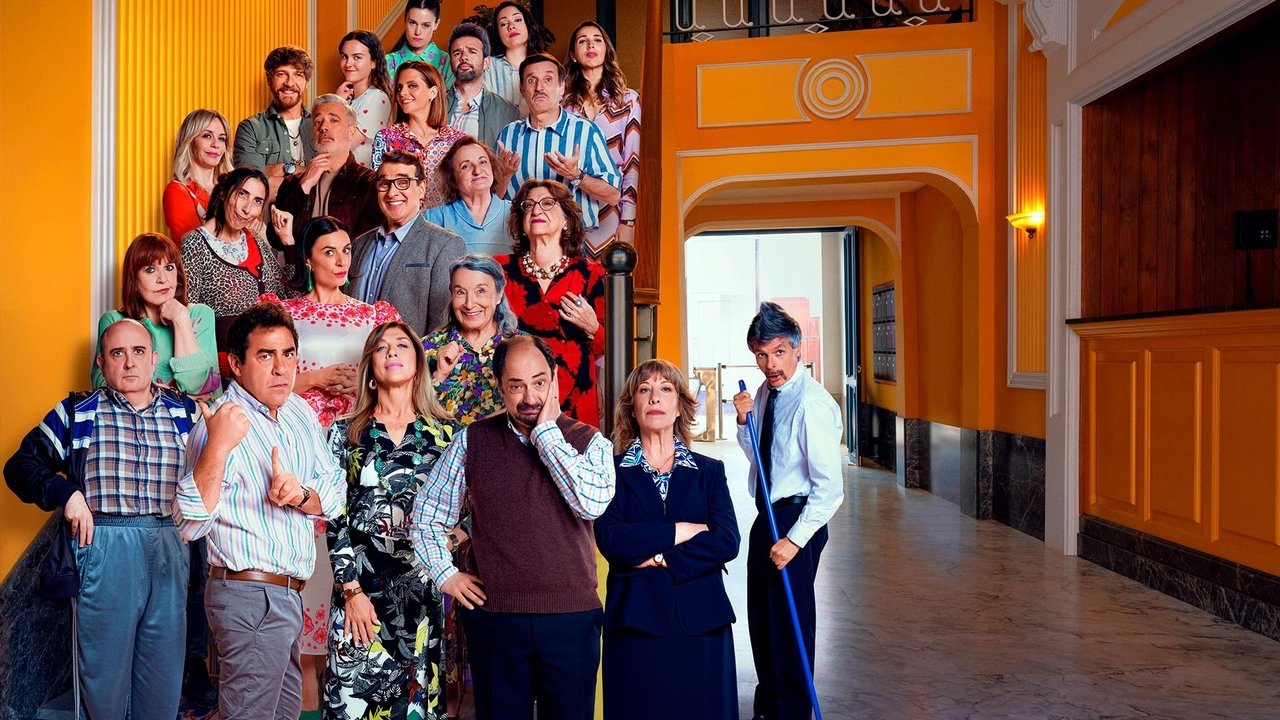
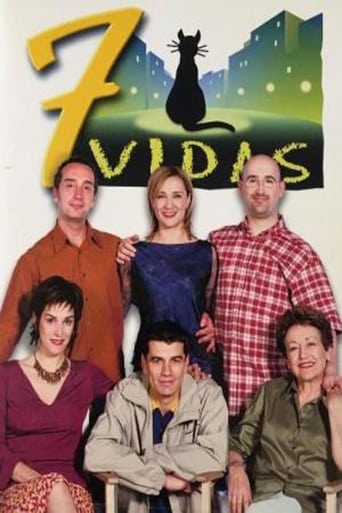
La que se avecina is a Spanish television comedy created by Alberto Caballero, Laura Caballero and Daniel Deorador. The TV-series focusing around the inhabitants of Mirador de Montepinar, a fictional building located on the outskirts of a big city. Both its storylines and cast are heavily based on Aquí no hay quien viva, which ended when Telecinco bought Miramón Mendi, the series production company. The episodes debuted on the Telecinco network, and were later rerun by the same network as well as cable/satellite channels FactoríaDeFicción and Paramount Comedy. The series debuted in 22 April 2007 and became popular thanks to its funny characters, witty script, use of catchphrases and capacity to integrate and poke fun at contemporary issues; the program presents a caustic satire of many of the 'types' found in Spanish society. The name of the show involves wordplay, as "vecina" is the Spanish word for neighbour.

Genres:
Cast: , , , ,

More like this

THE STORY & THE PEOPLE

About La que se avecina

La que se avecina (2007) is a TV series in the comedy genres. The cast includes Pablo Chiapella, Nacho Guerreros, Eva Isanta, Jordi Sánchez.

Released
Original language
Seasons
18
Episodes
202
Status
Returning Series
Production countries
Spain
Production companies
Alba Adriática, Contubernio Films, Mediaset España
Creators
Alberto Caballero, Daniel Deorador, Laura Caballero

La que se avecina cast & characters

Audience reviews

8.1/10 from 306 TMDB votes. Ratings and reviews are supplied by TMDB. Reviews are attributed to their original authors.

Marco-Hugo Landeta Vacas

TMDB member review

(CASTELLANO) Aunque ya da la sensación de que no se va a acabar nunca, hay algo casi reconfortante en volver a ella. Sí, repite chistes, recicla situaciones y se apoya en latiguillos que llevan años funcionando, pero aun así sigue teniendo ese efecto raro de serie-hogar. Puedes ponerla de fondo mientras haces otra cosa y, sin darte cuenta, acabas riéndote otra vez. No importa cuántas veces hayas visto ciertas…

Read moreShow less
(CASTELLANO) Aunque ya da la sensación de que no se va a acabar nunca, hay algo casi reconfortante en volver a ella. Sí, repite chistes, recicla situaciones y se apoya en latiguillos que llevan años funcionando, pero aun así sigue teniendo ese efecto raro de serie-hogar. Puedes ponerla de fondo mientras haces otra cosa y, sin darte cuenta, acabas riéndote otra vez. No importa cuántas veces hayas visto ciertas escenas: los personajes siguen ahí, como vecinos de verdad, formando parte del ruido cotidiano. El arranque fue flojo, incluso algo ñoño, demasiado pegado a su predecesora. Costaba verla como algo propio y durante un tiempo parecía una sombra de lo que vino antes. Sin embargo, cuando decidió soltarse y abrazar lo grotesco sin complejos, encontró su identidad. Ahí llegaron sus mejores momentos, cuando el humor se volvió más salvaje, más bestia, y dejó de pedir permiso para ser incorrecto. Cuando la serie acierta es porque se centra en sus personajes más desatados, los que funcionan precisamente por exceso. Algunos arcos concretos alcanzaron una cumbre inesperada, con episodios donde el disparate estaba tan bien calibrado que rozaba lo brillante. En cambio, cuando se empeña en dar protagonismo a figuras menos carismáticas o directamente fallidas, el ritmo se resiente y la comedia pierde filo. No todo el reparto tiene la misma capacidad para sostener el esperpento. El humor es el que es: rancio, casposo, exagerado hasta lo absurdo. No pretende ser fino ni elegante, y quien espere eso se equivoca de sitio. A ratos incluso cruza líneas y se vuelve repetitiva o perezosa, como si confiara demasiado en que el público va a reír por pura inercia. Y aun así, algo sigue funcionando. Quizá porque nunca ha dejado de ser una sátira deformada de nuestras propias miserias. También hay una cuestión emocional difícil de ignorar. Para muchos, esta serie ha acompañado madrugadas, épocas de estudio, trabajo o simple compañía silenciosa. Tener a esos vecinos de fondo acaba creando un vínculo extraño, casi familiar. No es tanto lo que cuentan como el hecho de que sigan ahí, diciendo barbaridades mientras el tiempo pasa. Hoy está lejos de su mejor versión, y es evidente que arrastra desgaste y falta de ideas. Pero incluso en su etapa más irregular conserva un encanto muy específico, difícil de explicar y fácil de sentir. No es una gran serie en sentido estricto, pero sí una presencia constante. Y eso, en televisión, no es poca cosa. (ENGLISH) Even though it already feels like it’s never going to end, there’s something almost comforting about coming back to it. Yes, it repeats jokes, recycles situations, and leans on catchphrases that have been working for years, but it still has that strange, home-like quality. You can put it on in the background while doing something else and, without realizing it, you end up laughing again. It doesn’t matter how many times you’ve seen certain scenes: the characters are still there, like real neighbors, becoming part of the everyday noise. The start was weak, even a bit naïve, too closely tied to its predecessor. It was hard to see it as its own thing, and for a while it felt like a shadow of what came before. But when it finally let itself go and fully embraced the grotesque without apologies, it found its identity. That’s when its best moments arrived, when the humor became wilder, more brutal, and stopped asking for permission to be incorrect. When the series works, it’s because it focuses on its most unhinged characters, the ones who succeed precisely through excess. Some specific arcs reached an unexpected peak, with episodes where the absurdity was so well calibrated that it came close to brilliance. On the other hand, when it insists on giving prominence to less charismatic or outright failed figures, the rhythm suffers and the comedy loses its edge. Not every character has the same ability to sustain the farce. The humor is what it is: rancid, tacky, exaggerated to the point of absurdity. It doesn’t try to be refined or elegant, and anyone expecting that is in the wrong place. At times it even crosses lines and becomes repetitive or lazy, as if it trusted too much that the audience would laugh out of pure inertia. And still, something keeps working. Maybe because it has never stopped being a distorted satire of our own miseries. There’s also an emotional layer that’s hard to ignore. For many people, this series has accompanied late nights, periods of studying, working, or simply quiet company. Having those neighbors on in the background ends up creating a strange, almost family-like bond. It’s not so much about what they say as the fact that they’re still there, spouting nonsense while time goes by. Today it’s far from its best version, and it’s obvious that it carries wear and a lack of fresh ideas. But even in its most uneven phase, it retains a very specific charm, hard to explain and easy to feel. It’s not a great series in the strict sense, but it is a constant presence. And that, on television, is no small thing.

Questions about La que se avecina

What is La que se avecina about?

La que se avecina is a Spanish television comedy created by Alberto Caballero, Laura Caballero and Daniel Deorador. The TV-series focusing around the inhabitants of Mirador de Montepinar, a fictional building located on the outskirts of a big city. Both its storylines and cast are heavily based on Aquí no hay quien viva, which ended when Telecinco bought Miramón Mendi, the series production company. The episodes debuted on the Telecinco network, and were later rerun by the same network as well as cable/satellite channels FactoríaDeFicción and Paramount Comedy. The series debuted in 22 April 2007 and became popular thanks to its funny characters, witty script, use of catchphrases and capacity to integrate and poke fun at contemporary issues; the program presents a caustic satire of many of the 'types' found in Spanish society. The name of the show involves wordplay, as "vecina" is the Spanish word for neighbour.

Who stars in La que se avecina?

Pablo Chiapella, Nacho Guerreros, Eva Isanta, Jordi Sánchez, Nathalie Seseña. See the cast cards above for character names.

How can I watch La que se avecina online?

Use Watch series to open the external player, or expand Other ways to watch for alternative viewing information. Playback availability is controlled by the provider and can change. A catalogue listing does not confirm a playable stream.

Does La que se avecina have subtitles or dubbed audio?

Check the audio and subtitle controls inside the loaded player. Original language and production details describe the title; they do not confirm which tracks a provider offers.

Is La que se avecina free to watch?

Browsing title information on Movies New Online is free. External players may show advertisements. Check the player provider for its current availability and terms.