 FILM
YOUR NEXT GREAT WATCH
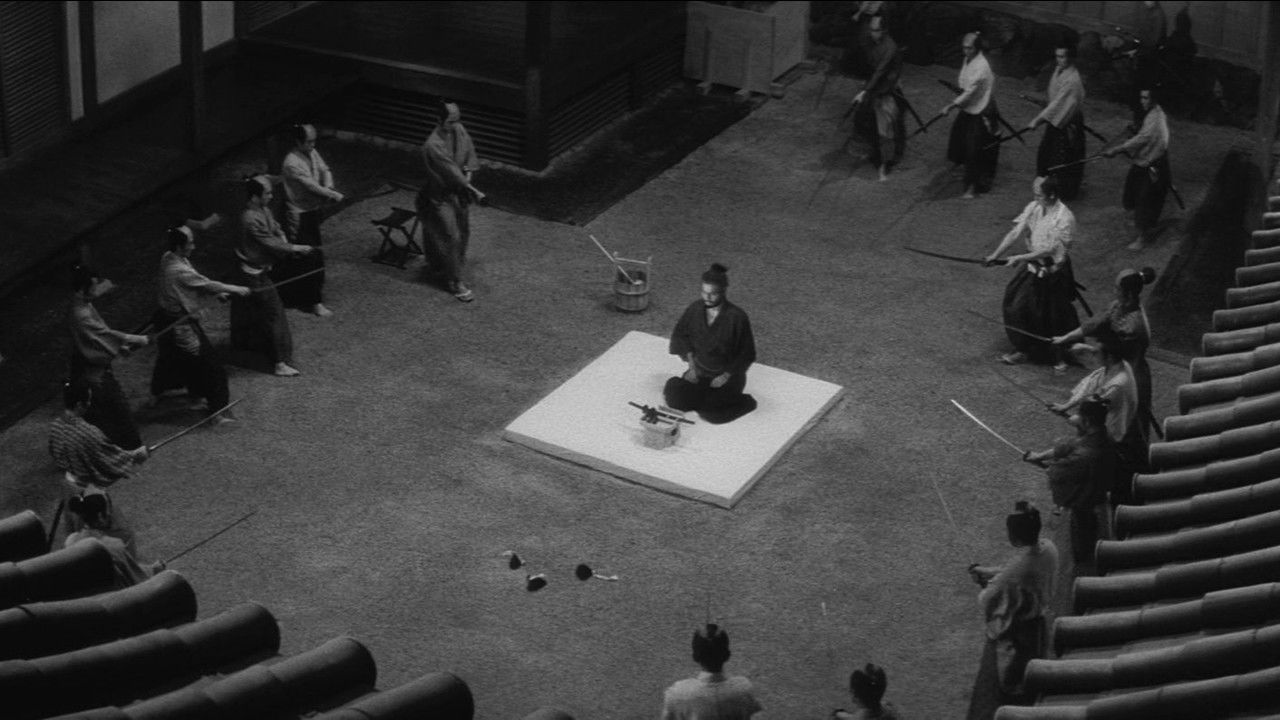
Down-on-his-luck veteran Tsugumo Hanshirō enters the courtyard of the prosperous House of Iyi. Unemployed, and with no family, he hopes to find a place to commit seppuku—and a worthy second to deliver the coup de grâce in his suicide ritual. The senior counselor for the Iyi clan questions the ronin’s resolve and integrity, suspecting Hanshirō of seeking charity rather than an honorable end. What follows is a pair of interlocking stories which lay bare the difference between honor and respect, and promises to examine the legendary foundations of the Samurai code.
Genres: Action, Drama, History
Cast: Tatsuya Nakadai, Akira Ishihama, Shima Iwashita, Tetsuro Tamba, Masao Mishima
FILM FILM
 FILM
 FILM
 FILM
 FILM
 FILM
 FILM
 FILM
 FILM
What befalls others today, may be your own fate tomorrow.
Harakiri (1962) is a film in the action, drama, history genres. Directed by Masaki Kobayashi. The cast includes Tatsuya Nakadai, Akira Ishihama, Shima Iwashita, Tetsuro Tamba.
 Tatsuya NakadaiHanshiro Tsugumo
 Akira IshihamaMotome Chijiiwa
 Shima IwashitaMiho Tsugumo
 Tetsuro TambaHikokuro Omodaka
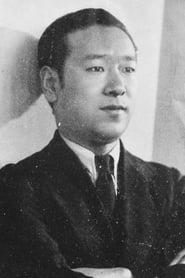 Masao MishimaTango Inaba
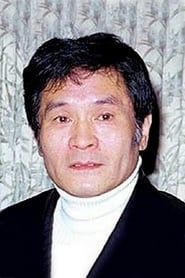 Ichirō NakataniHayato Yazaki
 Kei SatōMasakazu
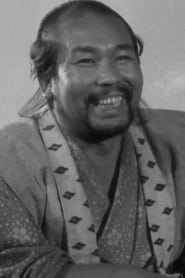 Yoshio InabaJinai Chijiiwa
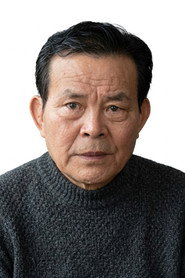 Hisashi IgawaRetainer
 Yoshirō AokiCast member
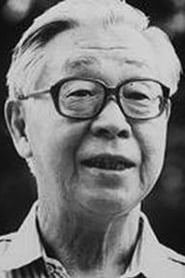 Tatsuo MatsumuraCast member
8.5/10 from 1,324 TMDB votes. Ratings and reviews are supplied by TMDB. Reviews are attributed to their original authors.
This is an amazing Japanese classic written and filmed without flaw. The action unfolds in story-telling within story-telling. This is a film about truth. Whose truth? That is the unfoldment. In a perverted way, this amazing piece of work has become predictive of Western corporate banking. Perhaps you'll see what I mean at the end of the film.
It's a film that might scare modern audiences a bit, but it deserves the opportunity we want to give it. In addition to having a very strong film industry, Japan is a country with a very rich past that we in the West tend to devalue. A somewhat ethnocentric attitude, more typical of small minds. For a long time, the Japanese were a people divided by several feudal princes who fought among themselves, disputing…
Down-on-his-luck veteran Tsugumo Hanshirō enters the courtyard of the prosperous House of Iyi. Unemployed, and with no family, he hopes to find a place to commit seppuku—and a worthy second to deliver the coup de grâce in his suicide ritual. The senior counselor for the Iyi clan questions the ronin’s resolve and integrity, suspecting Hanshirō of seeking charity rather than an honorable end. What follows is a pair of interlocking stories which lay bare the difference between honor and respect, and promises to examine the legendary foundations of the Samurai code.
Tatsuya Nakadai, Akira Ishihama, Shima Iwashita, Tetsuro Tamba, Masao Mishima, Ichirō Nakatani. See the cast cards above for character names.
Use Watch movie to open the external player, or expand Other ways to watch for alternative viewing information. Playback availability is controlled by the provider and can change. A catalogue listing does not confirm a playable stream.
Check the audio and subtitle controls inside the loaded player. Original language and production details describe the title; they do not confirm which tracks a provider offers.
Browsing title information on Movies New Online is free. External players may show advertisements. Check the player provider for its current availability and terms.
Keep exploring: Tamil movies · Movies · TV shows · Movie credits & ratings guide · Audio & subtitle guide